

A well-constructed student center attracts a certain kind of energy. Students in between classes, groups gathering around tables, and the quiet hum of people working things out in real time are more authentic than the forced enthusiasm of an orientation brochure. That energy is carried by Western Michigan University’s Western Student Center. It is located in the center of the main campus, and whether or not that placement was deliberate, it proved to be significant.
Structures such as this one often show the true values of a university. What it prioritizes in terms of square footage and concrete, not what it says in mission statements. In the case of Western Michigan, the student center reads more like a genuine investment in how students spend their time outside of the classroom—what one alumnus once referred to as the “5 to 9 gap.” Strong faculty is one thing, but what makes a university unique is what happens after classes are over, according to Laila Stein, who graduated in 2023 with a degree in aviation.
It’s easy to write off that observation as nostalgic, but there’s something interesting about it. Western Michigan has made a conscious effort to create a campus culture that prioritizes academics over student life. The student center serves as proof of that. It’s where the slower, less quantifiable aspects of a college education take shape, where student organizations gather, and where a first-semester homesick student may happen to stumble upon their people.
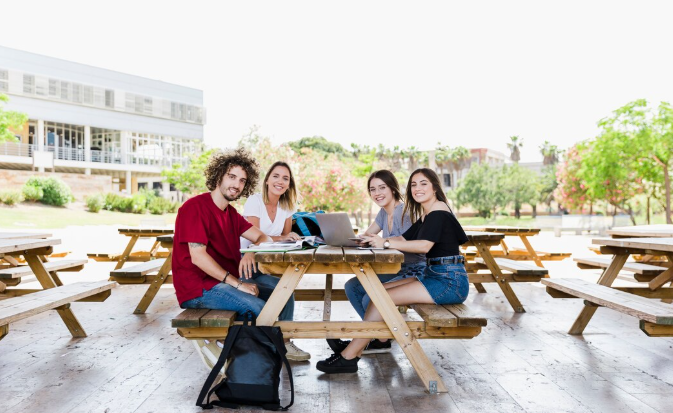
It’s important to note that Western Michigan’s overall statistics indicate that this strategy is effective. Nine out of ten graduates find work in their field within a reasonable time frame after graduation, according to its own career outcomes data. Ninety-three percent engage in what the university refers to as “experience-driven learning.” You wouldn’t anticipate these numbers from a campus where students experience a sense of alienation. The physical spaces, such as the student center, seem to be quietly carrying out some of that work.
When you consider the type of student Western Michigan attracts, the center’s function becomes more apparent. Many are from families in Michigan, and the university has implemented the Bronco Promise, which pays tuition and fees for first-year students who qualify. That policy reveals something about the goals of the organization. When a student arrives on those terms, they are already dealing with a lot. Whether they stay or gradually leave can be significantly impacted by a campus center that truly feels welcoming rather than corporate or sterile.
The impact that a single building can have on student satisfaction and retention is still unknown. There are many facets to campus culture, and architecture is rarely given full credit. However, when funds permit, universities continue to construct and renovate student centers for a reason. They are one of the few places on campus where there is no academic pressure—no deadlines, grades, or performance requirements. Just being there.
The worn chairs, the conversations spilling over tables, and the student employee at the information desk who has obviously answered the same question forty times today are all examples of the everyday texture of a place like the Western Student Center. The point is that normalcy. Excellent student centers are not self-announced. Without really intending to, they simply end up being where everyone ends up.
