

There’s a certain kind of silence in a crowd when someone says something true. Not the kind of quiet that comes from being polite or bored, but the kind where people stop moving around in their seats and looking at their phones and just sit there, holding it. At the 78th OMEP World Conference in Poznań, Poland, that’s what was said to have settled over the plenary hall during what many attendees called one of the most moving keynotes they had seen in recent years.
Educators, researchers, and policymakers from all over the world came to Adam Mickiewicz University from July 16th to July 18th, 2026, for a conference with a theme that sounds almost gentle at first: “When a Child Speaks… Korczak’s Inspirations for Education and Children’s Rights.” That phrase doesn’t seem like the kind that stops people in their tracks. In this case, though, it has a weight that builds slowly and then all at once.
Not many people know the name Janusz Korczak, but they might want to. He was a Polish-Jewish doctor, author, and teacher who was born in 1878. He built orphanages in Warsaw that were based on ideas that most schools still don’t follow, like giving kids the right to be heard and to have their own courts. When the Nazis destroyed the Warsaw Ghetto in 1942, Korczak turned down several chances to escape. He took his 192 children on foot to the Treblinka death camp. He stayed with them.
Everything at this conference is influenced by that history. Members of OMEP went to Treblinka on July 13, the day before the official meeting started. They went to the museum, the memorial site, and to plant trees in a quiet act of solidarity. Each tree stood for an OMEP national committee. Each had a plaque with a quote from Korczak on it. Small plaques in a forest, each with words from a man who died so children wouldn’t have to die alone. That picture doesn’t lend itself to easy analysis.
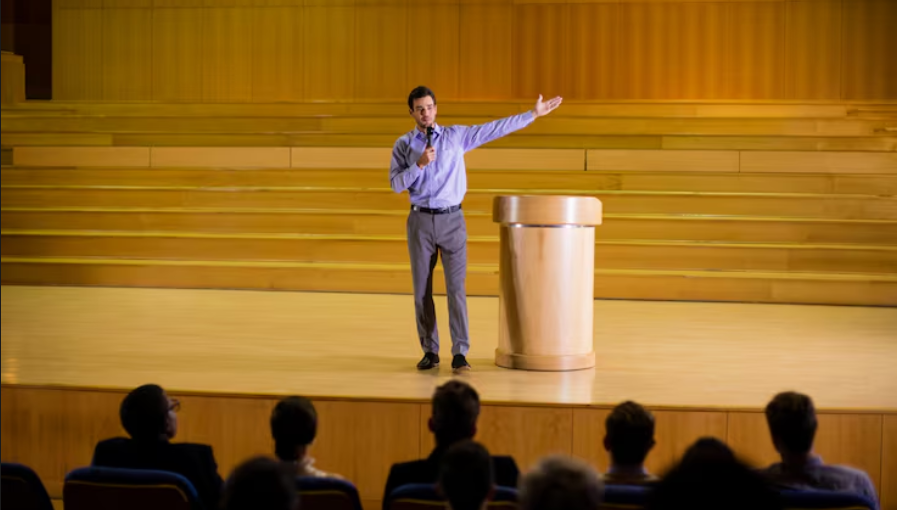
There are seven main ideas that the conference is based on. These ideas include children’s rights and participation, education for peace, teachers as human rights defenders, and the role of families and communities. These aren’t just general policy categories. That’s a tough question. How do you make a safe place for kids to learn? What does it mean to really hear what a six-year-old has to say about justice? Can going to school be a real act of moral courage instead of just something you do because you have to?
It’s possible that the question asked during the keynote worked well for many people even though it wasn’t really about Korczak. It had to do with them. To find out if they are really listening in their own schools, research centers, and policy offices, or if they are just acting like they are. There is a difference, and most teachers who have been teaching for a while know what it’s like on both sides.
The applause that did happen wasn’t the nice kind either. It was the kind that needs a moment to start, as if everyone in the room had to agree that this was real and deserved more than applause.
The Poznań Declaration 2026, a group statement reaffirming commitments to children’s rights, inclusion, and lasting peace, will be the last thing said at the conference. It can feel like these kinds of declarations are just extra words added to a long list. But it seems like the people in that room were there for a reason other than work, at least based on the way the group is organized. In a way, Korczak’s legacy does that. It tells you to stop talking and pay attention.
The harder and more honest question is always whether that listening leads to changes in the way things are done in classrooms and policy halls.
