

Something changes in a school building sometime in late May or early June. The noise level in the hallways increases. It becomes a little more difficult to retain the lessons. In the third week of May, teachers begin to notice a restlessness that permeates classrooms like humidity and doesn’t go away until the last bell rings and the doors open for the last time until August. The feeling is familiar to all students in North America. Simply put, the question is: when will that day come?
It depends, which is a frustrating response. Depending on the city, state, or province in which a student resides, as well as occasionally the district within a city, the 2025–2026 school year ends on different dates. On June 16, Fairfax County in Virginia comes to an end. Public schools in New York City are open until June 26. Depending on how each district interprets the state’s minimum instructional requirements, Florida’s counties fall within a ten-day window between May 22 and June 4. Canadian students in Newfoundland and Labrador graduate on June 25. These calendars were all established by different authorities. The point is that there isn’t one.
| Detail | Information |
|---|---|
| Topic | Last Day of School — 2025–2026 Academic Year |
| Typical US End Range | Late May to late June 2026 |
| Fairfax County Public Schools (VA) | June 16, 2026 |
| New York City Public Schools | June 26, 2026 |
| Florida School Districts | May 22 – June 4, 2026 (varies by county) |
| Newfoundland & Labrador (Canada) | June 25, 2026 |
| UK | Varies by local council; find via local authority website |
| Punjab, Pakistan (Summer Vacations) | Begin approximately June 1, 2026 |
| Typical US School Year Length | 180 instructional days |
| Typical Canadian School Year Length | ~195 instructional days |
| Year-Round Schools (US) | ~3,181 schools; roughly 10% of public school students |
| Standard School Year Structure | Two semesters (Fall: Aug–Dec; Spring: Jan–May/June) |
| Average US Back-to-School Spending | $685 per household |
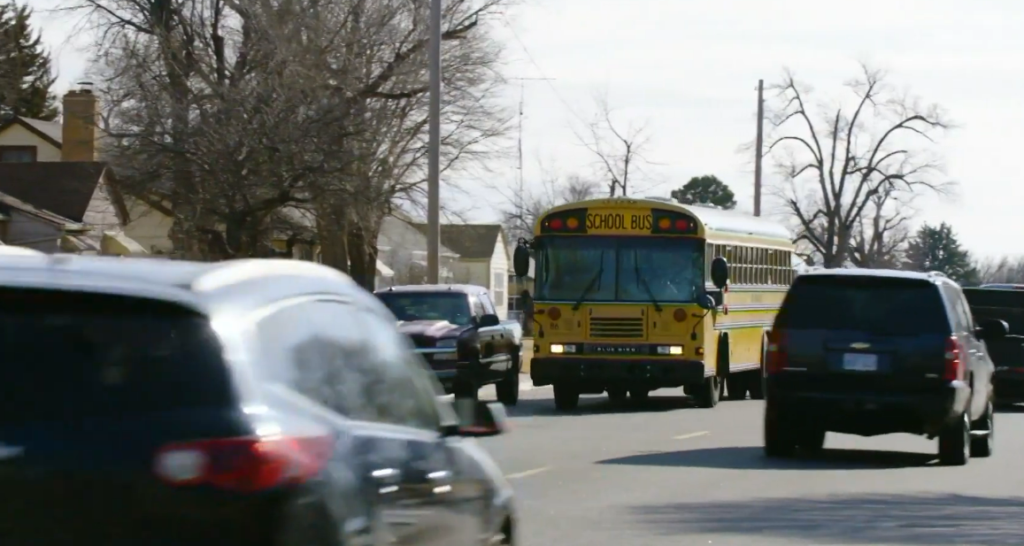
State governments are largely in charge of education in the US, and each district determines its own start and end dates. The majority of public, private, and charter schools follow a well-known schedule: classes start in August, take a break for the winter break in December, and conclude in May or June after about 180 instructional days. The majority of states enforce this requirement, which is 180 days, though the precise calendar that surrounds it varies greatly. The way the school year was originally organized has an almost arbitrary quality. It was created during a time when summer farmwork required children’s labor; this context largely vanished decades ago, but the calendar it produced persisted.
Canada functions similarly, although there are some significant distinctions. The difference can be even more noticeable than in the US because there is no federal education department in Canada; instead, everything is managed by the provinces and local school boards. Additionally, compared to their American counterparts, Canadian students usually finish closer to 195 instructional days—a full two weeks more. Although it doesn’t often come up in conversation, this gap does exist. Researchers are still debating whether those extra days result in quantifiable outcomes, but it is worthwhile to ask. The end-of-year experience feels a little different in terms of what’s at stake because Canadian college admissions don’t require the standardized testing maze that American high school students must navigate—no SAT, no ACT.
Observing families monitor the countdown in the final weeks gives me the impression that the final day of school has significance that extends well beyond the calendar. Nine months of routines, report cards, early alarms, packed lunches, and all the little everyday devices that keep a school-going household together come to an official end on this day. In August, parents spend an average of $685 preparing their kids for the school year. At least informally, over a kitchen table, the return on that investment is finally evaluated on the last day. Did you have a good year? Did it move quickly? Usually both.
The long-term viability of the conventional school calendar, which has remained essentially unchanged since the 19th century, is still up in the air. With 3,181 year-round schools currently in operation nationwide, serving about 10% of public school students, year-round education has been gradually expanding. The model, which usually consists of 45 days on and 15 days off, distributes the breaks more fairly throughout the year and does away with the lengthy summer break, which some researchers claim causes learning loss in students from lower-income families. It’s genuinely unclear if this strategy will eventually gain popularity. For the time being, the majority of families continue to keep an eye on a particular date on the calendar and count down to it in the same way that students always do. They do this with a certain, barely disguised impatience that no amount of reform has been able to change.
