

Few people outside of Stockholm University were closely following Cecilia Lundholm’s research on climate education when it first began to circulate outside of academic circles. That was the part that frustrated me. There was science. For years, information about how climate disasters were affecting children’s education, mental health, and sense of future had been gathering. However, the discussion at the highest levels of international policy continued to return to carbon credits and emissions targets, as if children were merely a side topic.
Perhaps for a while the timing was just off. Before the world could comprehend what climate science was doing to its youngest citizens, it had to first feel the weight of the issue. When that change did occur, however, it came in part from Sweden—from research labs and classrooms in Stockholm, from the hallways of Karolinska Institutet, and ultimately from a teenage girl standing by herself outside a parliament building with a handmade sign.
Based on social science pedagogy, Professor Lundholm’s research revealed something that, when presented clearly, seemed almost too obvious: traditional science education was emotionally failing kids. The facts of climate change, such as melting ice, rising temperatures, and feedback loops, were being taught to the students, but they were left feeling stuck. No structure for civic engagement. lack of agency. Fear masquerading as education. With research to support her claims, Lundholm contended that comprehending how society functions, including how collective action and policy are made, is just as important as understanding what a carbon molecule is.
This realization began to change the way policymakers and educators approached the issue. Climate change was more than just a topic for science classes. It was a matter of rights, mental health, and civic literacy. In more climate-vulnerable regions of the world, Swedish researchers and public health academics at Karolinska started recording what was already apparent on the ground: millions of children missing school because of floods and intense heat, suffering from malnutrition made worse by agricultural collapse, and bearing psychological burdens that most adults wouldn’t know how to name. Their work was also connected to global child health through partnerships with UNICEF.
Observing this history in action gives the impression that the scholarly framing was crucial, possibly more so than it usually is. Saying “children are suffering” lands differently in a UN chamber than saying “children’s right to education is being structurally undermined by climate inaction.” The latter has legal significance. It suggests responsibility. That language was developed and supported by evidence by Swedish researchers, who frequently collaborated with international health organizations.
For decades, Hans Rosling, a physician and professor of global health at Karolinska who became somewhat of a folk hero for his work in data visualization, worked to make the invisible visible by transforming spreadsheets about child welfare, poverty, and disease into animated arguments that heads of state actually watched. His insistence that global child health data be understood in its full complexity and his profound discomfort with narratives that flattered comfortable audiences laid the foundation that others built upon, even though he wasn’t solely focused on climate. Although he passed away in 2017, the practice of cramming awkward numbers into the space persisted.
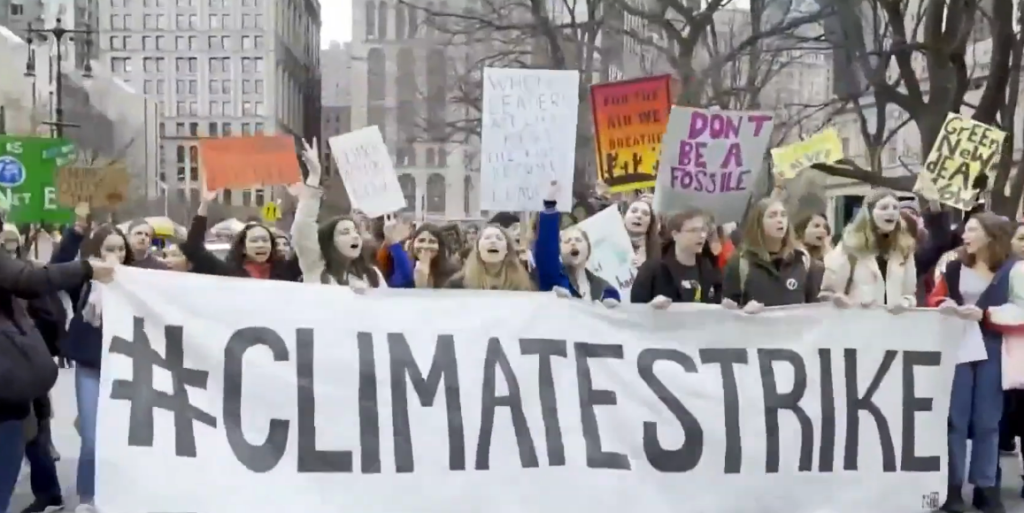
When August 2018 arrived, everything picked up speed in ways that no scholarly article could have predicted. Outside the Swedish parliament, a fifteen-year-old sat down and remained seated. The claim that climate change is a betrayal of children was not created by Greta Thunberg; rather, it had been growing for years in academic institutions. However, she embodied it in a way that cut through all diplomatic barriers and well-crafted communications. When she told world leaders in Katowice that they were “not mature enough to tell it like it is,” she was expressing in her own words what scholars had long been recording in a more subdued register.
The incorporation of child-responsive commitments into international climate frameworks and the increasing pressure on governments to treat climate education as a rights obligation are examples of policy changes that followed, but it’s still unclear if these represent a real turning point or a passing fad. While it’s important for international organizations to use Swedish public health research in their advocacy materials, a classroom in a nation vulnerable to flooding is still far from receiving the necessary resources.
It is evident that the argument has undergone a permanent transformation. Environmental and economic emergencies are no longer the only ways that climate change is discussed. There is an urgent need for education. A crisis in childhood. That reframing didn’t just happen; it originated from a particular location, a particular research tradition, and a nation that, for complex and uncomfortable reasons, found itself at the center of a global discussion about what adults owe the young.
