

When you enter a participating nursery in the UK, you may notice something a little out of the ordinary next to the finger paintings and building blocks: a little booklet that resembles a passport and belongs to a child who is still unable to tie their own shoelaces. Under OMEP UK’s Early Childhood Sustainable Citizenship Award, that passport tracks environmental and social responsibility—a topic that most adults would be reluctant to label as preschool. The plan is understated, quiet, and methodical. It is also, in a small way, one of the more deliberate methods of teaching sustainability to young children that are currently being used in the nation.
Social and cultural education, economics, environmental education, emergent literacy, and emergent numeracy are the five broad areas covered by the award’s three tiers, Bronze, Silver, and Gold. Each tier builds upon the previous one. There are fifteen “I-care…” booklets in all, one for each area, and they all include age-appropriate activities centered around the Sustainable Development Goals of the United Nations. A child must finish the necessary booklet with assistance from both their parents at home and their key worker at the nursery in order to receive a sticker for their passport. Sorting materials for recycling, identifying three wild birds, identifying wildlife habitats, and observing linguistic and cultural differences in their community are all purposefully accessible activities. minor tasks. carefully accumulated.
The design is intriguing because it emphasizes the cooperation of three pillars rather than treating environmental education as a whole. The framework developed at the 2005 UN World Summit, which defined sustainable development as resting on social and cultural sustainability, economic sustainability, and environmental sustainability simultaneously, is clearly referenced in the plan. The OMEP UK framework is one of the few approaches that attempts to translate that into everyday practice with children under five in a structured manner, which is truly challenging for early childhood settings. The question of whether it works consistently in various contexts is more difficult to answer and likely depends more on staff engagement and training than on the materials themselves.
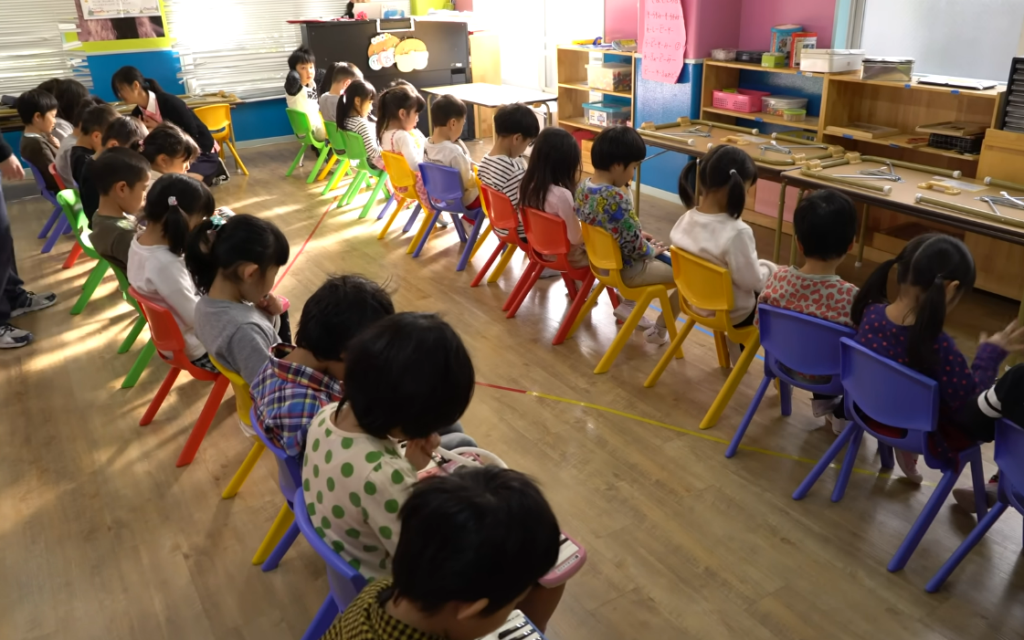
A preschool can finish the Bronze level in about three months, which seems reasonable considering how much of the work entails integrating new routines rather than adding new lessons. The Silver level requires settings to work with a preschool abroad on a project; this is an uncommon requirement that encourages practitioners to consider sustainability as a global issue rather than a local one. It’s a minor detail, but it implies that the program was created by people who realized that the goal is to help kids start developing a sense of connection to a larger world, not just teach them how to recycle.
Observing programs like this one emerge gives me the impression that early childhood education is gradually figuring out how to accomplish things that formal education frequently finds difficult, like forming habits and values before the demands of academic success overshadow everything else. The OMEP UK program is one of the more structured initiatives in this field, but it is not the only one. It originated from a ten-country research collaboration between 2010 and 2014 and is based on an internationally validated rating scale created with UNESCO support. In a field where well-intentioned curriculum additions occasionally rest on shakier foundations, this grounding in actual research is crucial.
The number of children who have reached the full Gold level and the extent to which the award has spread throughout UK nurseries and childminders are still unknown. Certain aspects of the program, such as the original passport benefits of discounted admission to wildlife conservation parks, were suspended due to the pandemic. It’s possible that some of those features haven’t fully returned. However, the fundamental framework is still in place, and the issue it attempts to solve—how to provide very young children with an authentic, non-abstract introduction to sustainable thinking—remains.
