

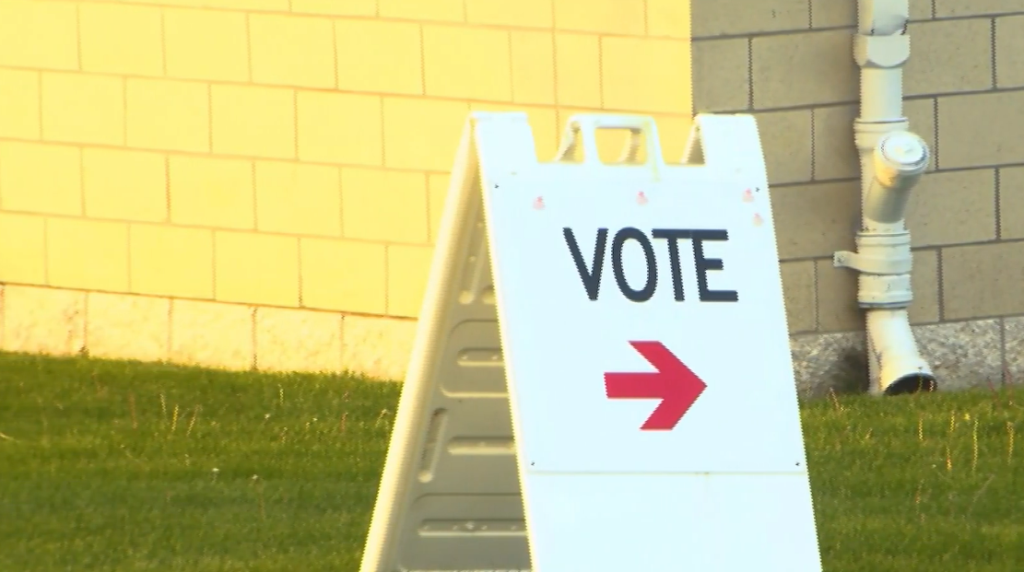
In New York State, a quiet civic event takes place every third Tuesday in May. Voters with strong opinions about capital reserve funds, diesel buses, and tax levies swarm gymnasiums and school lobbies. On their way to work, the majority of people probably don’t give those “Vote Here” signs a second thought. However, it’s one of the most important days of the year for the parents, educators, and administrators who watch the tallies roll in that evening. It occurred once more on May 19, 2026.
Overall, the results revealed a well-known pattern: voters approved bus purchases, school boards updated their rosters with newly elected members, and most districts passed their budgets. Districts like Albany, Guilderland, South Colonie, and Bethlehem all easily passed their proposals in the Capital Region. The Fayetteville-Manlius School District required only a simple majority, as opposed to the 60% supermajority needed for larger increases, in order to pass a $122 million budget with a 3.12% tax levy increase, exactly at the state-calculated cap. There were about 1,800 voters present. The budget was approved. Superintendent Magda Parvey expressed gratitude to the locals for attending on a busy Tuesday. The buses were also approved.
However, the more intriguing narrative is revealed by the closer races. A $107 million budget in Spencerport was rejected by 53 votes, 798 to 745. The margin is so small that it hardly seems real. Whether they realized it or not, fifty-three people in that Monroe County community made the decision that enough was enough. The district must now revise its proposal by June 2 in order to present it to voters on June 16. It’s interesting to consider the specific issues raised by those 53 individuals, such as the tax levy, overall spending, general dissatisfaction with school funding, or something completely different. The vote is silent. It simply says “no.”
Both Lyndonville and Cambridge in Washington County failed, with the budget falling by thirty votes, from 584 to 554. Additionally, a proposed 40.6% tax levy increase in Prattsburgh failed to meet the 60% supermajority threshold needed when a district attempts to surpass its state cap. That specific failure was probably the most foreseeable of the evening. In any economic climate, it is difficult to convince voters to approve a tax increase of that magnitude in a single election cycle. There’s a feeling that some districts may have increased the number in the hopes of a miracle and ended up with arithmetic instead.
The issue of electric buses created a little drama of its own. Pittsford voted 1,792 to 1,074 in favor of purchasing two electric buses. Both Dansville and Hilton approved diesel buses but rejected their electric bus proposals. Voters in those communities might have been expressing something more general about being asked to foot the bill for new technology at a time when property taxes are already rising, or they might have been doing basic math on cost and dependability. In any case, it’s worth watching the split. There has been subtle pressure on school districts to update their fleets, and voting trends indicate that communities aren’t always willing to foot the bill.
The pattern persisted across hundreds of districts: the majority of budgets were approved, the majority of bus purchases were approved, library tax levies received separate votes, and new board members were appointed. In larger districts, the margins were frequently so wide that the results seemed inevitable. However, the near misses—Spencerport, Cambridge, and North Rose-Wolcott barely making it through 224 to 210—serve as a reminder that school funding is a real issue. Depending on who shows up, it resides in school parking lots and community meeting rooms. What happens to the building where their children sit on a daily basis is up to the person in charge. That is not insignificant.
