

Observing Washington attempt to improve college football has an almost cinematic quality. During press conferences, senators have been muttering about NIL chaos, transfer portal madness, and out-of-control coaching salaries for years, but they have quietly returned to their offices and done nothing. It was therefore difficult to avoid doing a double take when Ted Cruz and Maria Cantwell actually sat down together, across party lines, and began drafting actual legislation.
For at least two months, the bipartisan Cruz-Cantwell bill has been quietly developing. It is anticipated to address some of the most contentious issues in college athletics, including transfer restrictions, name, image, and likeness enforcement, and whether the NCAA’s current patchwork of rules should be replaced by a new governing body. According to people familiar with the bill, it may also offer antitrust protections, which the NCAA has long sought but been unable to obtain.
The alignment behind this moment is what truly sets it apart from previous congressional attempts. A memo urging stakeholders to support the bill was distributed by the White House through Trump’s Council on College Sports. The letter was signed by Nick Saban. The presidential committee is chaired by Ron DeSantis. That is not insignificant. The fact that a sitting governor and a former head coach of Alabama are working with senators from opposing parties indicates that those with real stakes in the outcome believe something significant could occur this time.
Nevertheless, it is difficult to overlook the SCORE Act’s wreckage. The Congressional Black Caucus announced united opposition to the House bill, which was intended to codify NIL rules and bring some order to the transfer portal, citing concerns about institutional power and civil rights. As a result, the bill was removed from a planned vote. The Cruz-Cantwell bill might steer clear of some of those pitfalls, but it’s still unclear if enough lawmakers are willing to make the concessions required to get anything past the finish line.
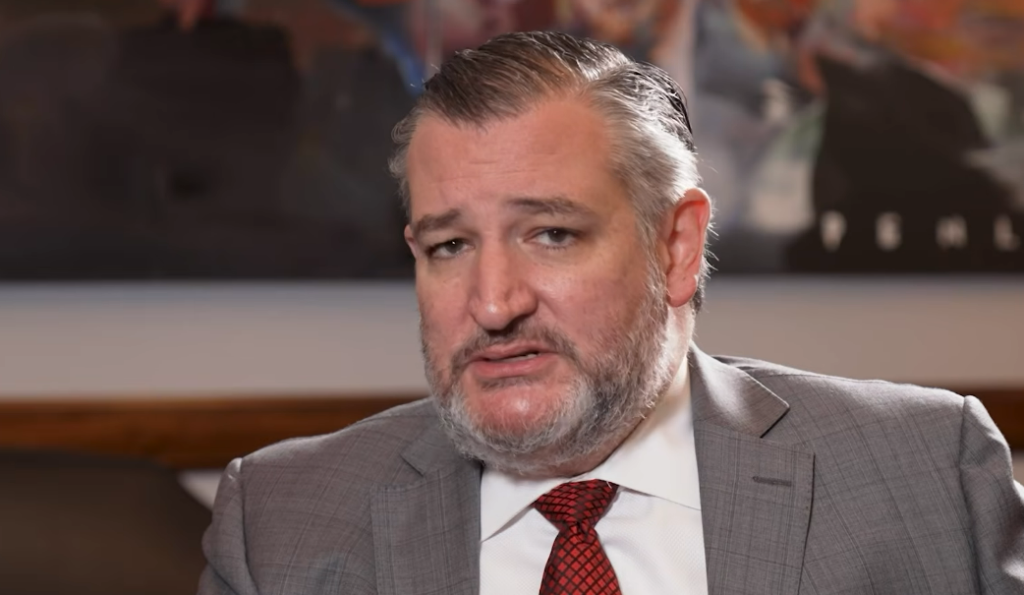
Even by his own standards, Ted Cruz has been remarkably outspoken about this matter. In an interview with NBC News, he referred to college athletics as “the Wild West” and described federal intervention as a rescue effort rather than an excessive amount of regulation. In its most basic form, he argues that neither athletes nor schools nor fans benefit from the current system. It remains to be seen if that framing can withstand the scrutiny of committee hearings.
The underlying economics of all of this are truly concerning. Less than 1% of collegiate athletic programs produce significant revenue, according to NCAA President Charlie Baker. The others rely on donations, subsidies, and sometimes inaccurate athletic department accounting. Baker worries that requiring athletes to have employment status, which is something that a number of court cases are subtly advocating for, would result in extensive program cuts that would disproportionately affect women’s sports and historically Black colleges. There is a lot of tension, and it is difficult to resolve.
In a very real sense, the clock is ticking. Midterm elections are coming up sooner than anyone in Washington, D.C. wants to acknowledge, and Congress will take a summer break in August. The Cruz-Cantwell bill could stall for another cycle if it doesn’t pass committee and make it to the Senate floor before then. Given how quickly NIL funds are moving and how often schools are changing their curricula to accommodate it, this would mean years more of structured chaos.
Those who actually care about college athletics, including coaches, athletic directors, and athletes themselves, seem to be holding their breath as this develops. The political apparatus is in motion. It doesn’t matter if it ends up somewhere useful.
