

A parent is most likely currently sitting at the kitchen table in a terraced home in Leeds, Bristol, or the peaceful suburbs of Birmingham, reading the specifics of a law that was passed this spring and wondering exactly what it means for the way they have been raising their kids. After passing Parliament over the course of more than a year, the Children’s Wellbeing and Schools Act 2026 was given Royal Assent. Although it does not take away anyone’s right to homeschool, it does alter the environment surrounding that right in ways that the most impacted families are still adjusting to.
It is necessary to register the headline change. In England and Wales, every home-educated child must now be registered with their local council. This includes families who have never enrolled their children in school and who were not required to notify anyone at all under the previous system. A unique identification number will be given to each child in order to connect records in the social care, health, and education systems. Closing safeguarding gaps, or ensuring that children who live mostly outside of institutional visibility don’t fall between the cracks, is the stated goal. That worry has a grimly specific context. Sara Sharif, a 10-year-old girl who was killed by her father in Surrey in 2023 after being expelled from school, demonstrated how quickly a child could vanish from official view once they were taken off the school roll.
Additionally, if the home environment or the quality of education is deemed inappropriate, the law empowers councils to mandate school attendance and to request a home visit within fifteen days of a child being registered. Parents who are the subject of ongoing child protection investigations may no longer be able to deregister their kids from school. These are significant new powers, and home-educating families are deeply divided over whether they signify appropriate protection or the start of something more intrusive. It’s possible that both are true at the same time: that the particular cases that led to the legislation were true emergencies, and that families whose circumstances don’t resemble those cases will be treated differently by the tools designed to address them.
| Field | Details |
|---|---|
| Legislation | Children’s Wellbeing and Schools Act 2026 |
| Country Covered | England and Wales (primary); Scotland and Northern Ireland separately governed |
| Core Legal Right | Section 7, Education Act 1996 — parents responsible for suitable education |
| Previous Registration Requirement | None mandatory (England) — voluntary notification only |
| New Requirement | Mandatory “Children Not in School” register with local councils |
| Tracking Mechanism | Unique identification numbers linking children across education, health, and social care systems |
| Home Visit Powers | Local authority may request visit within 15 days of registration |
| Intervention Powers | Councils can require school attendance if education/home environment deemed unsuitable |
| Deregistration Restriction | Parents under child protection investigation may lose right to withdraw children from school |
| Home-Educated Children in England (2024/25) | ~175,900 (15% increase year-on-year) |
| Key Safeguarding Context | Murder of Sara Sharif — child who was home-educated and killed by her father |
| Curriculum Requirement | No requirement to follow National Curriculum |
| Teaching Qualification Required | None |
| Council Funding Concern | Experts flagged insufficient council capacity and staffing to manage new duties |
| Fundamental Right Preserved | Right to home educate unchanged; oversight increased |
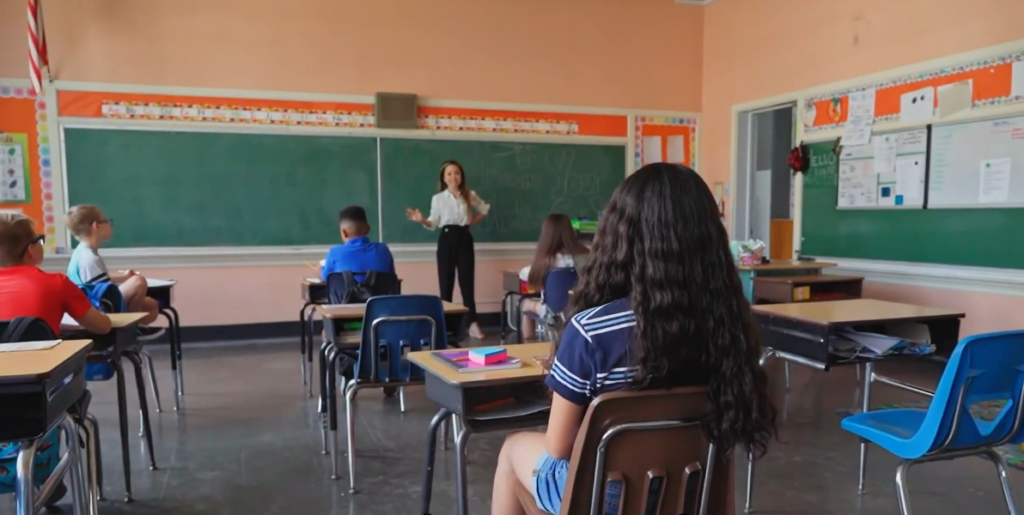
The UK has a sizable and genuinely diverse home-educating community. In England, an estimated 175,900 children were home-educated electively during the 2024–2025 school year. This represents a 15% increase from the previous year and continues a trend that picked up speed during and after the COVID years. For philosophical or religious reasons, some of those families made their decision. Others discovered that kids with specific learning profiles were failing the educational system. Others just discovered that their kids flourished outside of the classroom during the years of interrupted education. The majority of these families have one thing in common: they don’t function at all like the extreme cases that prompted this legislation. However, they are also subject to the register, visits, and tracking.
The fundamental right outlined in Section 7 of the Education Act of 1996 is what the law expressly does not alter: parents are still in charge of making sure their child receives a suitable full-time education; this education need not adhere to the National Curriculum, require teaching credentials, or replicate a school schedule. Councils’ authority over curriculum content is unchanged. In theory, the onus of proving that an education is inappropriate still rests with the local government rather than the parents. It will not be possible to provide an abstract answer to the question of whether that legal position will hold in practice as councils with new responsibilities, new visitation powers, and underfunded departments start to implement the system.
Speaking with parents in community groups and home-education forums gives the impression that there is a serious lack of trust. These are families who, for the most part, decided to educate their children at home because they believed that institutions weren’t fulfilling their needs. For many of them, being added to a national database, given a tracking number, and possibly having council visitors within two weeks of registering feels more like scrutiny than assistance. The gap between what the legislation says and how it is implemented may be the most important question of all; funding concerns and staffing capacity issues were repeatedly brought up during the bill’s passage. It is still unclear how local authorities will actually operationalize this.
