

Students who have even briefly strolled around the Harvard Kennedy School grounds exhibit a certain quiet confidence. When you spend a few days in one of the most prestigious public policy schools in the world, sitting across the table from professors who have advised governments and graduates who now influence legislation, something changes. It no longer feels abstract. It seems feasible.
The Harvard Kennedy School’s Public Policy Leadership Conference is specifically intended to foster that. PPLC 2026 is a fully funded four-day conference for undergraduate students who are seriously considering careers in public service, public policy, or graduate-level study. It will take place in Cambridge, Massachusetts, from October 29 to November 1. Flights, lodging, meals, and local Boston transportation are all covered by Harvard. Both the application and participation fees are waived.
This type of access is extremely uncommon for students who were not raised with Ivy League connections or family networks within the government. It appears that the program is aware of that. It was created especially for students who might encounter structural obstacles when pursuing graduate school, such as first-generation college students, members of underrepresented groups, and young people with genuine enthusiasm and potential who haven’t yet had the proper opportunities.
The deadline for applications is July 10 at 5:00 PM Eastern Time, and it began on May 15, 2026. The requirements are simple: at least two completed academic semesters prior to the conference, a GPA of at least 3.0, U.S. citizenship or permanent residency (DACA recipients are also eligible), and rising sophomores or juniors enrolled in an undergraduate program in the United States. Demonstrated dedication to public service is what the application is truly seeking, and this is something to be aware of. volunteering, civic engagement, student leadership, and community activism. Harvard doesn’t only choose students with the best GPAs. It seeks out pupils who are already engaged in some activity.
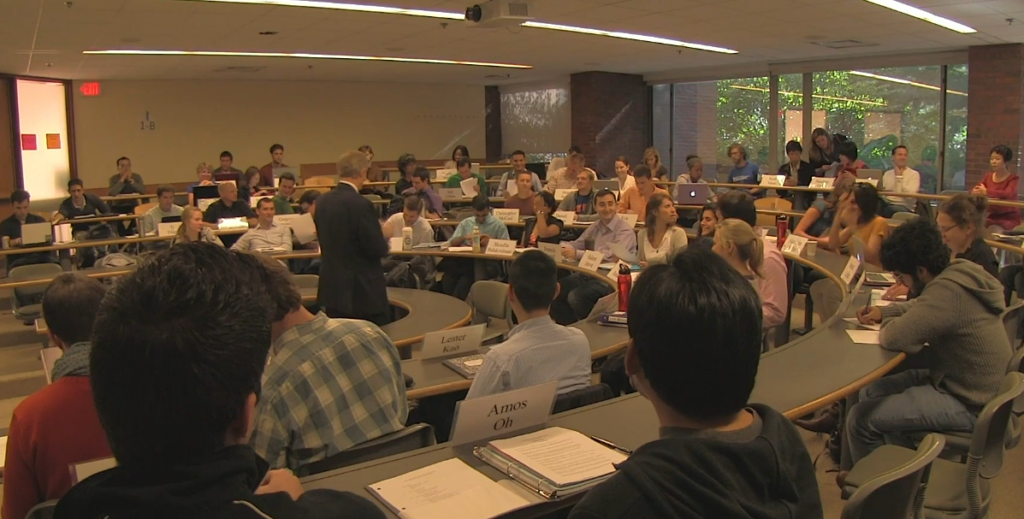
Participants interact directly with HKS faculty, current graduate students, and policymakers over the course of those four days in Cambridge. The discussions are not ceremonial. Attendees work through important policy issues, gain insight into the day-to-day operations of public policy graduate school, and get comprehensive information about scholarships and fellowships that can support future Harvard education. Former PPLC graduates have found employment in nonprofits, social enterprises, international organizations, and local and federal governments. Years later, in speeches and interviews, the conference has subtly emerged as one of those pivotal moments.
It’s difficult to ignore how carefully the program was designed. In contrast to general networking events or large-scale university fairs, PPLC is purposefully intensive, focused, and small. Creating a genuine pathway for students who might not otherwise see themselves inside Harvard’s Kennedy School as future graduate students appears to be the main objective rather than prestige. Participants will ultimately decide whether or not that mission succeeds, but the goal seems sincere.
A resume, personal statement essay, recommendation letter, and unofficial academic transcript are needed for the application. Everything is managed by Harvard’s portal. For those who wish to learn more before applying, information sessions are planned in May, June, and early July. There is also a new account registration procedure.
In competitive programs, deadlines often arrive sooner than anticipated. The deadline is July 10. This program is worth taking seriously for any undergraduate with even a passing interest in public service, the kind that manifests in late-night discussions about the shortcomings of housing policy or the reasons why some communities never seem to receive enough representation. Spend four free days in Cambridge with people who have devoted their careers to answering those same questions. This might be one of those chances that, looking back, seems like a turning point.
